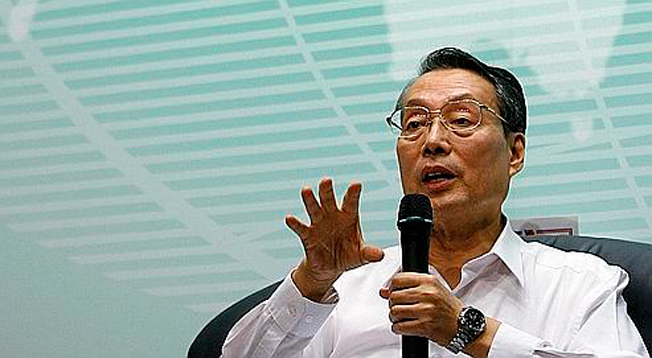
Stan Shih, predicts short life for Surface
Acer founder Stan Shih claimed today that Surface is nothing more than a short term shot-in-the-arm for Windows 8 and that Microsoft will lose interest after a year, once the ‘bother’ of distribution and after sales support kick-in. ‘View it as free advertising and don’t worry’, is his message to fellow OEMs.
If that is the case, Microsoft went to extraordinary lengths from a research and development perspective to ‘show the way’ to those partners. Could Mr. Shih be in denial? With its vertically integrated hardware, software, services and distribution model, Apple has quite simply ridiculed every single vendor in the computer industry.
I get the sense that this is a fork in the road for Microsoft. Apple has shown that a ‘lone-ranger’ approach can deliver better value to shareholders than an OEM ‘partner’ approach. Microsoft is after all, accountable to its own shareholders first rather than those of its OEMs. If Microsoft’s OEMs can’t deliver, then it will have to do so in their place. The only way I see Microsoft withdrawing Surface as Mr. Shih predicts, is if his OEM friends invest the same kind of energy that Microsoft did to create something better.
There was a refreshing tone in Microsoft’s announcement that was very different from anything of the past. You could sense the tension in its executives, because they knew what was at stake. It really did feel like they were betting the future of the company. They talked about the emotional bond between the consumer and Surface – just like Apple – a bond clearly absent from every other Windows device to date. Microsoft’s gamble is that its OEMs step up to the plate rather than flee for Android; there is so much inertia in Windows that they can’t possibly escape it.
For Microsoft it’s a dangerous, if necessary, strategy. The danger is less that its OEMs will flee to Android and more that Windows 8 won’t displace Windows 7, if its OEMs were to abandon such devices. That would leave free range for iOS6 to run rampage in the enterprise – a trend already underway and accelerating with the Bring Your Own Device (BYOD) movement.
 The Fourth Column
Leave a comment